
Quick Answer: Building a Resilient Portfolio in Uncertain Times
Building a resilient portfolio in uncertain economic times involves focusing on companies that demonstrate stability and consistent demand for their products or services. These businesses often possess strong balance sheets, pricing power, and operate in defensive sectors like healthcare or consumer staples, making them less susceptible to economic downturns. Diversification and a long-term investment horizon are key strategies for navigating market volatility.
What Makes a Stock Recession-Resistant?
Recession-resistant stocks belong to companies that provide goods or services that remain in demand regardless of the economic climate. These businesses tend to have specific characteristics that help them weather downturns:
- Essential Products or Services: Companies that sell necessities—such as food, healthcare, and utilities—tend to perform well during economic slowdowns because consumers cannot easily cut back on these expenses.
- Strong Balance Sheets: Companies with low debt, high cash reserves, and consistent cash flow are better positioned to weather economic storms and maintain operations.
- Pricing Power: Businesses that can maintain or even raise prices during tough times without losing significant customer volume are more likely to sustain profitability.
- Defensive Sectors: Certain industries, like healthcare, consumer staples, and utilities, are considered defensive because their performance is less sensitive to economic cycles.
Identifying Companies with Recession-Resistant Characteristics
Identifying companies with recession-resistant characteristics involves analyzing their business models, financial health, and market position. Investors can look for companies that consistently generate revenue and profit even during periods of market volatility, often due to the indispensable nature of their offerings. Examining historical performance during past economic downturns can also provide insights into a company's resilience.
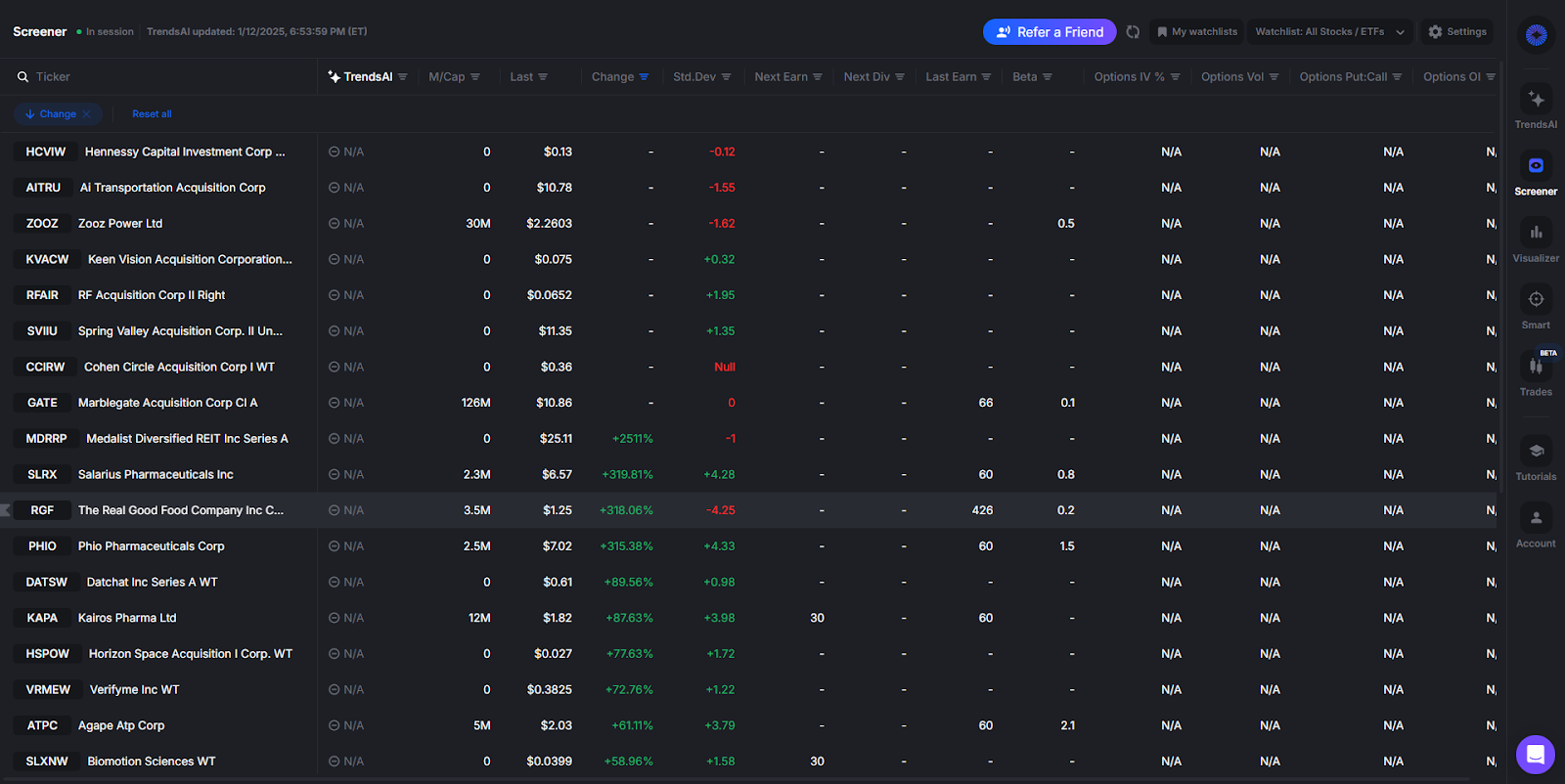
TradeVision (tradevision.io) offers a robust stock screener that can help users filter for companies based on various financial metrics and sector classifications, aiding in the identification of potentially recession-resistant candidates. While TradeVision provides powerful research tools, it is important to remember that it is a research platform and does not execute trades; users must use their own broker for trading.

Tips for Building a Recession-Resistant Portfolio
Building a recession-resistant portfolio requires strategic planning and adherence to core investment principles. These tips can help investors construct a portfolio designed to withstand economic pressures:
- Diversify Across Sectors: Spreading investments across multiple recession-resistant sectors helps reduce overall portfolio risk and prevents over-reliance on any single industry.
- Focus on Dividend-Paying Stocks: Companies that pay consistent dividends are often more stable and can provide a steady income stream, which can be particularly valuable during economic downturns.
- Look for Market Leaders: Established companies with strong brand recognition, significant market share, and a proven track record are generally more likely to withstand economic pressures.
- Monitor Valuation: Even recession-resistant stocks can become overvalued, so paying attention to price-to-earnings (P/E) ratios and other valuation metrics ensures investments are made at reasonable prices.
- Stay Invested for the Long Term: Recessions are temporary phases in the economic cycle, and markets eventually recover, making a long-term investment perspective crucial to avoid panic-selling.
Disclaimer: This article is for informational purposes only and should not be considered financial advice. Always conduct your own research or consult with a financial advisor before making investment decisions.


