
Quick Answer: U.S. Tariffs and Global Trade
The introduction of new U.S. tariffs, sometimes referred to as 'Liberation Day' tariffs, is significantly altering global trade dynamics. These policies, including a universal 10% tariff on imports and higher rates for specific countries, aim to encourage domestic manufacturing and reduce reliance on foreign suppliers. This shift impacts supply chains, consumer costs, and international trade relations, prompting businesses to re-evaluate their strategies.
A New Era for Global Trade Begins
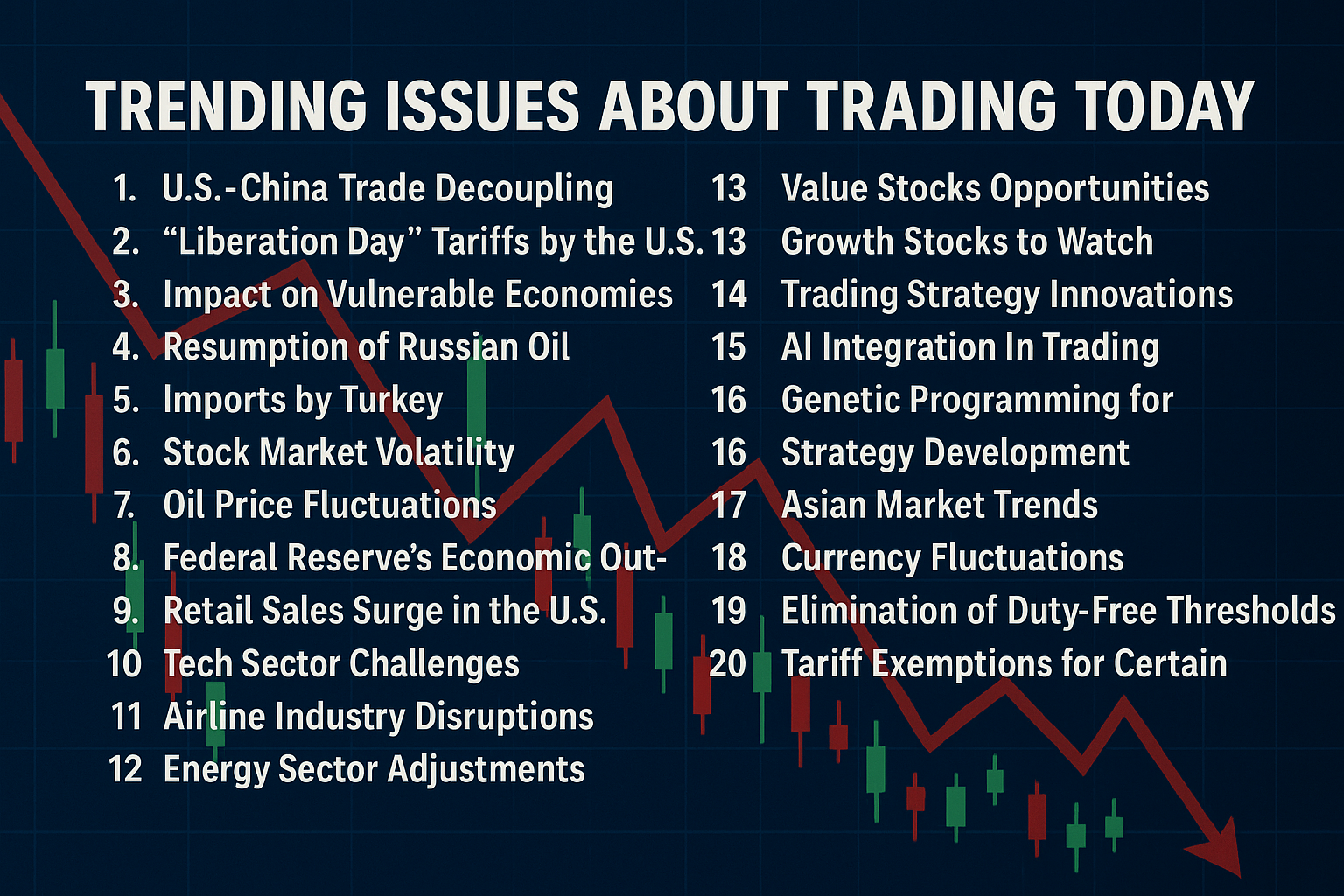
The announcement of sweeping new tariffs by the U.S. has sent ripples through the world of global trade. This initiative includes a universal 10% tariff on all imports and even steeper penalties—up to 60% and beyond—for goods coming from countries like China. It is a bold move that reflects shifting priorities in American economic policy, one that promises to reshape how goods flow across borders in 2026 and beyond.
These tariffs represent a significant policy shift, impacting the global economy, businesses, and everyday consumers. Understanding these tariffs and their effects is crucial for navigating the evolving trade landscape.
'Liberation Day' Tariffs and the Shift in Global Trade Strategy
The U.S. declaration of new tariff policies marks a significant shift in global trade strategy. The new policy imposes a baseline 10% tariff on virtually all foreign goods entering the U.S. This flat rate aims to encourage domestic manufacturing, reduce reliance on foreign suppliers, and reposition the U.S. as a self-reliant economic powerhouse.
Nations such as China, which have been at the heart of U.S. trade dynamics, are facing targeted tariffs as high as 60%+. Some goods from China have seen duties as high as 145 percent. These policies are meant to help drive American firms to rethink their overseas trade dependence and source chains. Strategically speaking, the United States is trying to restore global trade balance in its direction. For logistics firms all over the world, this presents fresh problems for importers, exporters, and logistics firms. Rising import costs, changing regulatory environments, and potential retaliation from impacted countries need now be considered by companies.
The Ripple Effects of U.S. Tariffs on Global Trade and Business Operations
Tariffs at this scale alter every layer of business operations. From procurement and logistics to pricing and customer satisfaction, the impact of these tariffs on global trade is being felt across the board.
1. Supply Chain Realignment: Many U.S. businesses are now seeking alternative suppliers outside of high-tariff regions. Countries like Vietnam, India, and Mexico are emerging as key players in this new supply chain ecosystem. However, shifting suppliers takes time, carries risks, and often comes with new regulatory hurdles.
2. Price Inflation and Consumer Costs: Higher tariffs typically result in increased costs for importers, which are then often passed on to consumers. This can lead to price inflation in various sectors, particularly those heavily dependent on imported goods such as electronics, apparel, and automotive parts, affecting everyday consumer spending.
3. Retaliatory Tariffs and Trade Wars: Other countries are expected to respond in kind with their own tariffs on American exports. This could dampen U.S. export competitiveness, especially in sectors like agriculture and technology.
4. Strategic Uncertainty: Businesses rely on predictability, and these sudden shifts in global trade policy introduce a level of uncertainty that makes long-term planning more difficult.
Adapting to the Future of Global Trade in a Tariff-Laden World
While these tariffs might seem disruptive, they also present opportunities for agile businesses. The future of global trade is being written right now, and those who can pivot quickly stand to benefit.
1. Rethinking Supply Chains: Businesses that invest in supply chain resilience and diversification will be better equipped to handle future disruptions—whether from tariffs, pandemics, or geopolitical instability.
2. Investing in Trade Intelligence: Monitoring trade policies, modeling tariff costs, and optimizing shipping routes in real time can help businesses stay informed.
3. Emphasizing Local Manufacturing: Some companies are focusing on domestic production to avoid tariffs altogether. This not only reduces exposure to international risk but also taps into the growing trend of 'Made in America' consumer loyalty.
4. Exploring New Markets: As old trade corridors become less viable, new ones open up. Businesses should be on the lookout for emerging markets and trade partnerships that offer fewer restrictions and better margins.
Conclusion: Global Trade Is Changing—Are You Ready?
Whether these tariffs are seen as a bold move or a risky gamble, one thing is clear: the global trade landscape is shifting fast. For businesses of all sizes, adaptability will be the deciding factor between succeeding and merely surviving. Staying informed and flexible is key to navigating the new normal of global trade.
Reevaluating supply chain strategy and investing in smarter trade tools is crucial. Because in a tariff-driven world, staying informed is essential.


