
Quick Answer: Understanding Trading Bots and Algorithms
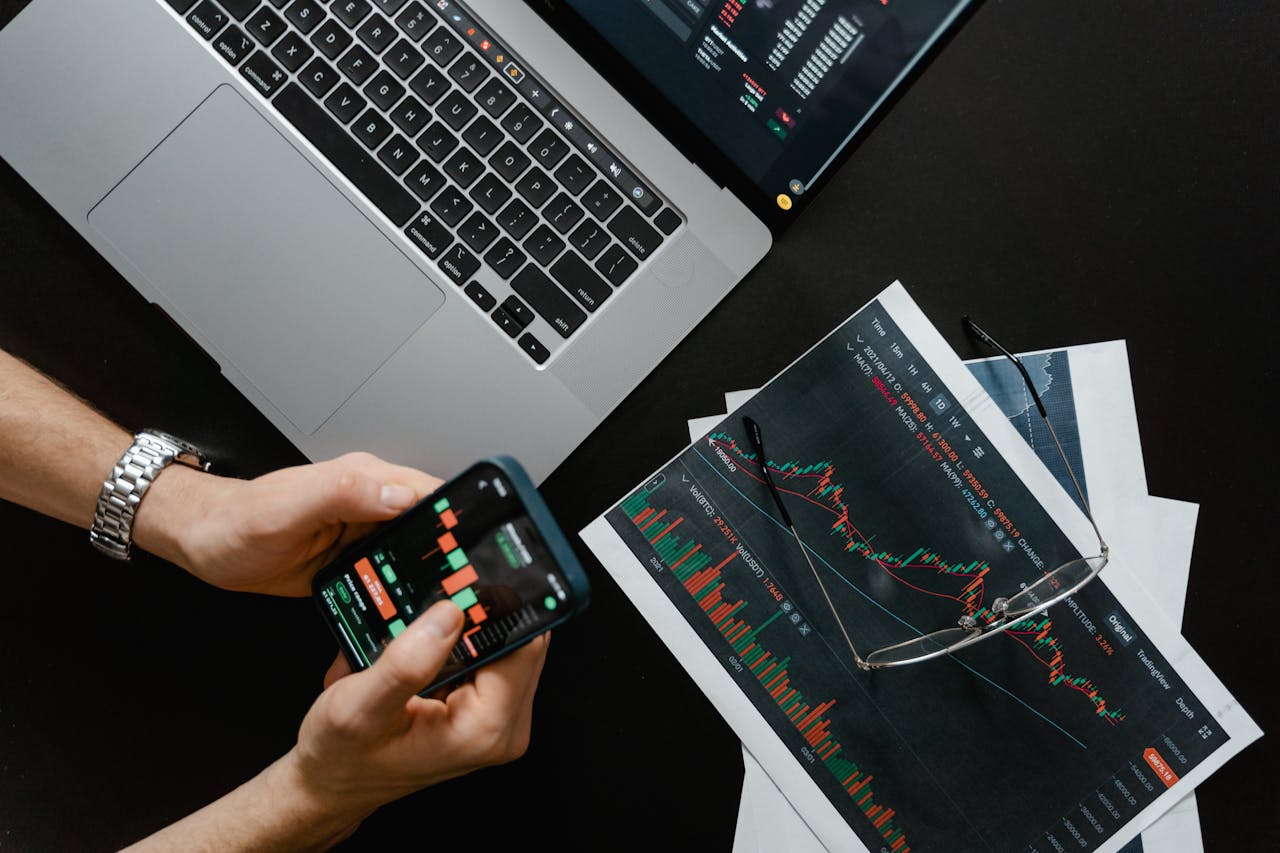
Trading bots and algorithms are automated systems that apply predefined rules to market data. They assist in strategy development and order placement by analyzing market conditions and executing actions rapidly. These tools can enhance efficiency and consistency in trading, but they require careful setup, monitoring, and an understanding of market dynamics.
1. What Are Trading Bots and Algorithms?
Trading bots and algorithms are automated systems designed to interact with financial markets based on predefined rules. Trading bots are programs that place orders, while algorithms are the underlying logic that guides these bots. They analyze market data and make decisions, aiming to capitalize on market opportunities.
Trading Bots:
Trading bots place orders around the clock, following preset rules. These automated programs aim to eliminate human error and operate continuously. In active markets, bots offer traders a way to act on opportunities as they arise.
Trading Algorithms:
Trading algorithms scan markets for opportunities, guided by simple rules or intricate models. These mathematical tools swiftly place orders when predefined conditions are met. From basic if-then logic to advanced statistics, algorithms are fundamental to modern finance.
2. How Do Trading Bots and Algorithms Work?
Trading bots and algorithms operate by following a structured process that involves predefined rules, market analysis, and automated order placement. This systematic approach aims to remove emotional biases from trading decisions.
A. Basic Operation
- Predefined Rules: Traders define clear entry and exit points, along with risk levels. The bot then places orders automatically based on these settings.
- Market Analysis: Bots often use technical indicators and historical data to analyze market conditions and inform their decisions.
- Order Placement: The bot scans the market, identifies opportunities, and places orders rapidly. This algorithmic precision aims to capitalize on market movements.
B. Key Components
- Strategy Engine: The bot's core contains the trading strategies and rules.
- Data Feed: Provides real-time market data that the bot uses to make decisions.
- Order Placement System: Handles the placement of orders according to the bot’s instructions.
- Risk Management: Includes stop-loss and take-profit functions to manage potential losses and gains.
3. Types of Trading Bots and Algorithms
Various types of trading bots and algorithms exist, each designed for specific market conditions and strategies. Understanding these types helps in selecting the right tool for a particular trading approach.
A. Trend Following Bots
What They Do: These bots study market trends and place orders accordingly. They work best in markets where prices move in a clear direction.
How They Work: They use indicators, like moving averages, to find the trend. They then decide to buy or sell based on that.
Example: A bot might be programmed to buy when the 50-day moving average crosses above the 200-day average. It would sell when the reverse occurs.
B. Arbitrage Bots
What They Do: Arbitrage bots aim to profit from price differences in the same asset across different markets.
How They Work: They buy low in one market and sell high in another, capturing the price difference.
Example: If Bitcoin is trading at $50,000 on Exchange A and $50,100 on Exchange B, the bot will buy on Exchange A and sell on Exchange B.
C. Market Making Bots
Market-making bots aim to profit from small price differences by placing numerous orders. These automated traders contribute to market liquidity, aiming for smooth transactions for all participants.
How They Work: Profit emerges from the gap between buy and sell orders. Market makers strategically position orders, rebalancing to mirror pricing adjustments. Their strategies aim for consistent gains amidst market volatility.
Example: A bot might place a buy order at $49,950 and a sell order at $50,050, aiming to profit from the $100 spread.
D. Mean Reversion Bots
What They Do: Mean reversion bots assume that prices will revert to their average level over time. They place orders based on the idea that asset prices will move back towards their historical averages.
How They Work: The bot identifies deviations from the mean and places orders that aim to profit when prices revert to the average.
Example: If a stock historically trades around $100 but temporarily spikes to $110, the bot might sell, expecting the price to revert to $100.
4. Developing and Implementing Trading Algorithms
Developing and implementing trading algorithms involves several stages, from strategy design to live deployment and continuous monitoring. Each step is crucial for the algorithm's effectiveness and reliability.
A. Strategy Development
- Define Objectives: Determine what you want your algorithm to achieve, such as maximizing returns, minimizing risk, or trading specific assets.
- Design Rules: Create the rules that your algorithm will follow, such as entry and exit signals, risk management parameters, and trading frequency.
- Backtesting: Test your algorithm using historical data to evaluate its performance and make necessary adjustments.
B. Coding and Testing
- Programming Languages: Common languages for developing trading algorithms include Python, R, and C++.
- Development Platforms: Platforms like MetaTrader, TradingView, and QuantConnect provide environments for coding and testing algorithms.
- Paper Trading: Test your algorithm in a simulated environment to assess its performance without risking real money.
C. Live Trading
- Deployment: Once your algorithm performs well in backtesting and paper trading, deploy it in a live trading environment.
- Monitoring: Continuously monitor your algorithm’s performance and make adjustments as needed to adapt to changing market conditions.
- Maintenance: Regularly update and refine your algorithm based on performance and new market insights.
5. Risks and Challenges
While trading bots and algorithms offer significant advantages, they also come with inherent risks and challenges that traders must address. Awareness of these issues is key to successful algorithmic trading.
A. Over-Optimization
What It Is: This is the risk of tailoring your algorithm too closely to historical data, which may not perform well in live markets.
How to Mitigate: Ensure your algorithm is robust and adaptable to various market conditions, rather than just optimized for past data.
B. Market Conditions
What It Is: Algorithms may not perform well in extreme or unusual market conditions, such as high volatility or sudden news events.
How to Mitigate: Implement risk management features and regularly update your algorithm to adapt to changing market dynamics.
C. Technical Issues
What It Is: Software bugs, connectivity issues, or platform failures can affect the performance of trading bots.
How to Mitigate: Use reliable and well-tested platforms, and have contingency plans in place for technical failures.
6. Choosing a Trading Bot or Algorithm
Selecting the right trading bot or algorithm requires careful consideration of several factors to ensure it aligns with your trading goals and technical requirements. Compatibility and support are crucial for long-term success.
A. Criteria for Selection
- Performance: Evaluate the historical performance and reliability of the trading bot or algorithm.
- Compatibility: Ensure the tool is compatible with your trading platform and meets your specific needs.
- Support and Updates: Choose tools from providers that offer good customer support and regular updates.
B. Popular Options
With diverse trading bots and strategies, 3Commas offers an intuitive platform for users. Its interface aims to simplify complex trading, making it a choice for many investors.
Cryptohopper offers cloud-based trading bots with a range of features and customization options.
Algorithmic traders can find platforms like AlgoTrader that provide advanced tools to test and improve automated trading strategies.
Conclusion
Algorithms enhance trading efficiency and expand strategic choices. Savvy traders can leverage these tools, developing robust strategies while mitigating risks. Understanding trading bots and algorithms can contribute to improved market performance. As technology advances, understanding these innovations is valuable for navigating financial markets.
As you explore trading bots and algorithms, remember that they are tools to assist your trading journey, not replacements for fundamental trading knowledge. Platforms like TradeVision (tradevision.io) offer research and analysis tools, such as dark-pool prints and unusual options flow, to help inform your strategies, but they are a research platform and do not execute trades, requiring you to use a separate broker for any trading activity. Combine automated trading with a solid understanding of market principles, and you’ll be well-equipped to navigate the dynamic world of financial markets.


