
Quick Answer: Identifying Profitable Trading Markets in 2026
In 2026, profitable trading markets are characterized by rapid technological advancements, evolving consumer behaviors, and global economic shifts. Key sectors include artificial intelligence, green energy, and biotechnology within stock markets, alongside the continued growth of cryptocurrencies and commodities. Traders can leverage platforms like TradeVision (tradevision.io) for research, but must use a separate broker for actual trading.
Overview of Profitable Trading Market Trends in 2026
The trading markets of 2026 reflect a significant shift from traditional investment paradigms, driven by rapid technological advancements and evolving consumer behaviors. One of the most prominent trends is the widespread integration of artificial intelligence and machine learning in trading. These technologies have streamlined data analysis and decision-making processes, allowing traders to make more informed and timely decisions. This technological edge has created a competitive advantage for those who can harness its power, making it a critical component of modern trading strategies.
Another noteworthy trend is the increasing focus on sustainable and socially responsible investments. Investors are now more conscientious about the environmental and social impact of their portfolios. This shift has given rise to a new category of assets, including green bonds and companies dedicated to sustainable practices, which are attracting substantial investor interest. These investments not only promise financial returns but also align with the growing demand for ethical and responsible investing.
Additionally, the global geopolitical landscape continues to influence trading markets significantly. Trade policies, international relations, and economic sanctions are just a few factors that can cause market volatility. Savvy traders must stay informed about these developments and adapt their strategies accordingly. By understanding the broader context in which markets operate, traders can better anticipate risks and capitalize on opportunities.
The Rise of Cryptocurrency Trading
Cryptocurrency trading has become a cornerstone of modern investment strategies, capturing the imagination of traders worldwide. In 2026, this market continues to expand, driven by increasing mainstream adoption and the development of new digital assets. Bitcoin, Ethereum, and other established cryptocurrencies have maintained their prominence, but emerging tokens and decentralized finance (DeFi) projects are also gaining traction.
A key driver behind the rise of cryptocurrency trading is the growing acceptance of digital currencies by major financial institutions and corporations. Companies like Tesla and PayPal have integrated cryptocurrency payments, while traditional banks are exploring blockchain technology to enhance their services. This institutional support has bolstered investor confidence, leading to greater market liquidity and stability.
Moreover, the regulatory landscape surrounding cryptocurrencies is evolving. Governments worldwide are working to establish clear guidelines for the use and trading of digital assets. While regulatory clarity can reduce uncertainty, it also presents challenges for traders who must navigate varying legal frameworks. Staying informed about these regulatory developments is essential for successful cryptocurrency trading in 2026.
Forex Trading: Opportunities and Challenges
The foreign exchange (forex) market remains one of the most dynamic and liquid markets globally, offering numerous opportunities for traders. In 2026, forex trading is characterized by increased volatility, driven by geopolitical tensions, economic policies, and market sentiment. Currency pairs such as EUR/USD, GBP/USD, and USD/JPY continue to be popular choices for traders seeking to capitalize on price fluctuations.
One of the significant opportunities in forex trading lies in the use of advanced analytical tools and automated systems. These technologies analyze vast amounts of data in real-time, identifying patterns and trends that may not be apparent to human traders. By leveraging these tools, traders can make more precise and timely trading decisions, enhancing their chances of success.
However, forex trading is not without its challenges. The market’s inherent volatility can lead to significant losses if not managed properly. Traders must develop robust risk management strategies, including setting stop-loss orders and diversifying their portfolios. Additionally, staying informed about global economic indicators, such as interest rates and inflation, is crucial for anticipating currency movements and making informed trading decisions.
Stock Markets: Key Sectors to Watch
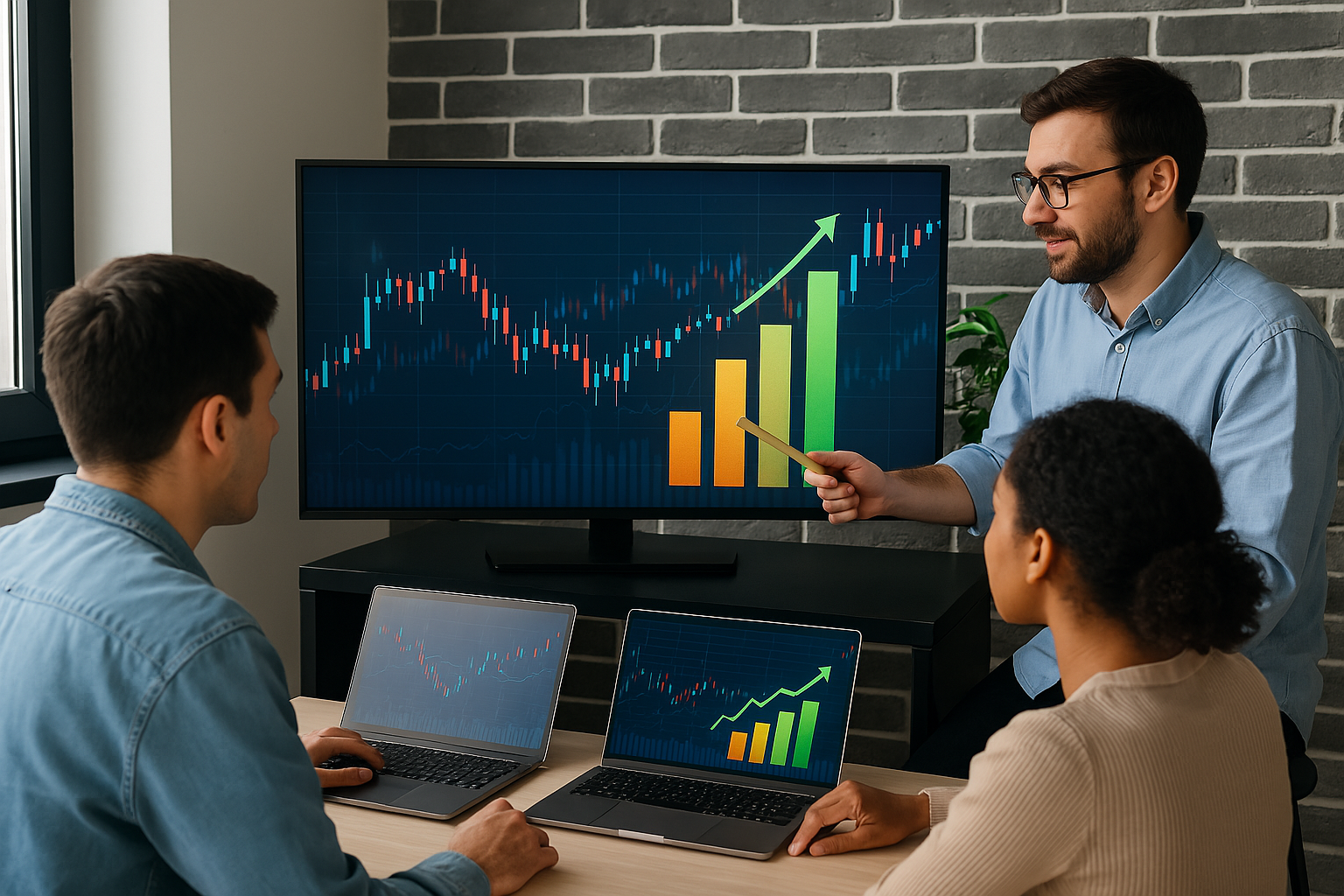
The stock markets in 2026 are characterized by a diverse array of sectors, each presenting unique investment opportunities. Technology remains a dominant force, with companies specializing in artificial intelligence, cybersecurity, and biotechnology leading the charge. The rapid pace of innovation in these fields has led to significant growth potential, attracting both institutional and retail investors.
Another sector to watch is green energy. As the world grapples with climate change, there is a growing demand for sustainable energy solutions. Companies involved in renewable energy production, such as solar and wind power, are experiencing substantial growth. Government incentives and consumer preferences for eco-friendly products are further driving this trend, making green energy stocks an attractive option for investors.
Healthcare is another sector poised for growth, particularly in the areas of telemedicine and personalized medicine. The COVID-19 pandemic has accelerated the adoption of digital health solutions, and this trend is expected to continue. Companies developing innovative healthcare technologies and treatments are likely to see significant investment, offering substantial returns for those who invest early.
Commodities Trading: Gold, Oil, and Beyond
Commodities trading has long been a staple of investment portfolios, providing a hedge against inflation and economic uncertainty. In 2026, the commodities market continues to offer lucrative opportunities, with gold and oil remaining prominent assets. Gold, often considered a safe-haven asset, is particularly attractive during times of economic instability, while oil remains a critical resource for global industries.
Beyond traditional commodities, there is a growing interest in alternative assets such as lithium and rare earth metals. These materials are essential for the production of batteries and other technologies critical to the green energy sector. As demand for electric vehicles and renewable energy solutions increases, so does the value of these commodities, presenting new opportunities for traders.
Agricultural commodities are also worth noting. As the global population grows, the demand for food and agricultural products continues to rise. Investing in commodities such as wheat, corn, and soybeans can provide diversification and stability to a portfolio. Additionally, advancements in agricultural technology and sustainable farming practices are likely to enhance the profitability of this sector.
Real Estate Investment Trusts (REITs)
Real estate investment trusts (REITs) offer a unique opportunity for investors to gain exposure to the real estate market without the need to directly own or manage properties. In 2026, REITs are particularly attractive due to their ability to provide steady income through dividends and potential for capital appreciation. These investment vehicles are diversified across various property types, including residential, commercial, and industrial real estate.
One of the key advantages of REITs is their resilience in the face of economic fluctuations. Unlike traditional real estate investments, REITs are often less susceptible to market volatility. This stability is further enhanced by the growing demand for real estate in urban areas, driven by population growth and urbanization. Investors can benefit from the consistent rental income generated by these properties, making REITs a reliable source of passive income.
Additionally, the real estate market is experiencing a shift towards sustainable and smart buildings. REITs that invest in properties with energy-efficient technologies and sustainable practices are likely to see increased demand. These properties not only meet the growing consumer preference for eco-friendly living spaces but also offer cost savings through reduced energy consumption. As a result, REITs focused on sustainable real estate are well-positioned for growth.
Impact of Global Events on Profitable Trading Markets
Global events have always played a significant role in shaping trading markets, and 2026 is no exception. Geopolitical tensions, economic policies, and environmental factors can all influence market dynamics. For example, trade wars and international sanctions can disrupt supply chains and impact commodity prices, while economic policies such as interest rate changes can affect currency values and stock market performance.
The ongoing effects of the COVID-19 pandemic continue to be felt across global markets. While some sectors have recovered, others are still grappling with the economic fallout. The pandemic has also accelerated the adoption of digital technologies and remote work, leading to shifts in consumer behavior and investment trends. Traders must stay attuned to these changes and adjust their strategies accordingly to capitalize on emerging opportunities.
Environmental factors, such as natural disasters and climate change, are also influencing trading markets. Extreme weather events can disrupt agricultural production and supply chains, leading to price volatility in commodities. Additionally, the growing focus on sustainability and green energy is driving investment in renewable energy and environmentally-friendly technologies. By understanding the impact of these global events, traders can better anticipate market movements and position themselves for success.
Strategies for Success in Profitable Trading Markets
To succeed in the profitable trading markets of 2026, traders must adopt a strategic approach that leverages both technology and market insights. One effective strategy is to diversify investments across multiple asset classes, such as stocks, commodities, and cryptocurrencies. This diversification helps mitigate risk and provides exposure to various market opportunities.
Another crucial strategy is to stay informed about market trends and global events. Traders should regularly review economic indicators, financial news, and geopolitical developments to make informed decisions. Utilizing advanced trading tools and platforms that provide real-time data and analysis can also enhance decision-making and improve trading outcomes.
Risk management is another essential component of successful trading. Setting stop-loss orders, maintaining a diversified portfolio, and avoiding over-leveraging are key practices that can help protect against significant losses. Traders should also have a clear understanding of their risk tolerance and establish a disciplined approach to managing their investments.
Conclusion: Preparing for the Future of Trading
As we look towards the future of trading in 2026, it is clear that the landscape is continually evolving. The rise of new technologies, changing consumer behaviors, and global events are all shaping the markets in profound ways. By staying informed and adopting strategic approaches, traders can navigate these changes and identify new market opportunities.
Understanding the dynamics of emerging markets, such as cryptocurrencies, green energy, and artificial intelligence, is essential for staying ahead of the curve. Additionally, leveraging advanced trading tools and maintaining a diversified portfolio can help mitigate risks and improve trading outcomes. As the trading markets continue to evolve, those who are proactive and adaptable will be best positioned to succeed.
Achieving market success in 2026 relies on a combination of knowledge, strategy, and resilience. By embracing the opportunities presented by the most profitable trading markets and staying informed about global trends, traders can position themselves effectively in the market. Informed decisions are key to market success, and with the right approach, the trading markets of 2026 offer significant opportunities for informed traders.


