
Quick Answer: Achieving Stock Trading Success
Achieving stock trading success involves a combination of continuous learning, strategic planning, and disciplined execution. It requires understanding market dynamics, managing risk effectively, and utilizing reliable research tools. By starting with a solid educational foundation and practicing with simulated accounts, traders can build confidence and refine their approach before committing real capital.
Commit to Learning for Stock Trading Success
To achieve stock trading success, take the time to understand the basics of stock trading. Charts reveal price patterns, while balance sheets unveil financial health. Savvy investors master both technical and fundamental analysis. Books and online courses offer crucial knowledge. This foundational knowledge helps in making informed trading decisions.
Create a Trading Strategy for Stock Trading Success
Developing a comprehensive trading plan is essential for stock trading success, including your goals, risk tolerance, and specific strategies. Define your criteria for entering and exiting positions. Sticking to your plan helps avoid impulsive decisions, and consistency in your approach is key. TradeVision (tradevision.io) offers tools like a stock screener and real-time charting to help refine your strategy, but remember it is a research platform and does not execute trades.
Stay Updated on Market Trends for Stock Trading Success
Staying updated on market trends is crucial for smart trades and stock trading success. Monitor economic indicators, earnings reports, and industry news. These insights shape stock prices and inform your decisions. Knowledge is power in the ever-changing financial landscape, making it vital for effective trading.
Open Your Brokerage Account
Opening a brokerage account is a necessary step for trading. Select an online broker that offers a user-friendly platform and educational resources. Practice risk-free trading using virtual money in demo accounts. Choose a brokerage that matches your trading aims. Make a precise selection to ensure a smooth market debut.
Practice with a Paper Trading Account
Before risking real money, practice with a paper trading account to achieve stock trading success. This allows you to test and refine your strategies without financial risk. Many brokers offer this feature, which helps gain experience and build confidence.
Set a Realistic Trading Budget
Establishing a solid trading budget is fundamental to guide your investments. Divide your portfolio into segments, allocating no more than 10% to one stock. Only use funds that you can afford to lose, and keep your essential expenses separate to maintain financial stability.
Understand Order Types
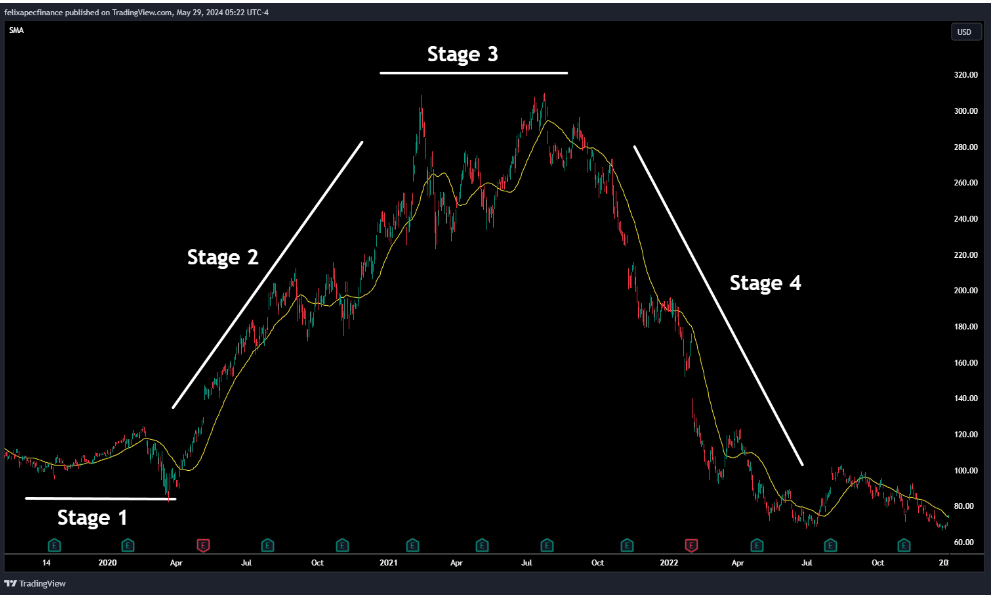
Knowing how to use different order types is essential for effective trading. Here are the two main types:
Market Orders: These orders execute buys or sells at the prevailing market price.
Limit Orders: Control your positions with precision. Set a specific price or better for buying and selling. These orders provide control over trade entry and exit points.
Start with Small Investments
Starting with small investments is a prudent approach to stock trading success. Trade fractional shares to diversify cheaply. Manage risk by tracking a few stocks closely. This strategy allows you to invest wisely in pricier companies without significant capital outlay. As your skills grow, your portfolio can expand.
Be Cautious with Penny Stocks
For stock trading success, be cautious with penny stocks. Diversified ETFs and blue-chip stocks generally offer safer investment options. Despite their allure, cheap shares often carry significant risks, including limited trading volume that can make selling difficult. Established companies typically provide more stability and liquidity for investors seeking long-term growth.
Track and Review Your Performance
Regularly evaluating your trades and overall performance is vital for stock trading success. Analyze which strategies were successful and which were not, then adjust your trading plan accordingly. Continuous learning and adaptation are crucial for long-term success in the market.
Patience and discipline are crucial for trading success. By adhering to key principles, managing risk, and consistently refining strategies, traders can develop their acumen over time.


